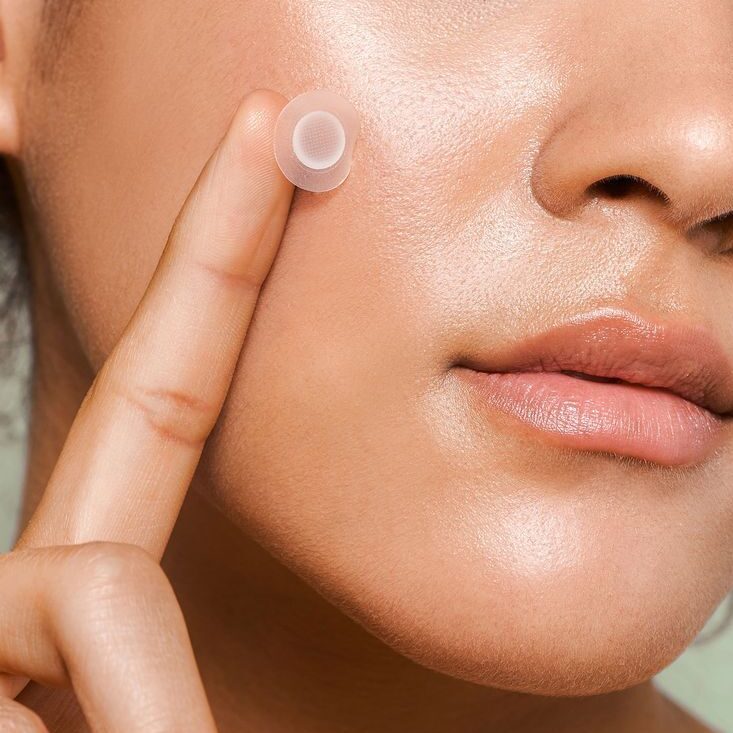
Acne patches work by deploying medical-grade hydrocolloid dressing technology to extract exudate, flatten surface whiteheads within 6 to 12 hours, and physically block cross-contamination and picking. According to commercial healthcare data from Grand View Research, the global acne patch market was valued at over USD 550 million in 2023 and is projected to expand at an annual growth rate exceeding 12%, driven by the demand for non-invasive spot treatments. However, while hydrocolloid patches accelerate superficial wound healing, they are targeted physical barriers rather than systemic cures for deep hormonal or cystic acne.
Table of Contents
- 1. What Are Acne Patches? A Manufacturing & Material Overview
- 2. How Do Acne Patches Work? The Absorption Mechanism
- 3. Do They Actually Work? Target Acne Types Compared
- 4. Key Formulations & Active Ingredients
- 5. Pros & Cons: Comprehensive Clinical & Daily Wear Analysis
- 6. How to Use Acne Patches for Maximum Adhesion & Results
- 7. Conclusion & Dermatological Takeaways
1. What Are Acne Patches? A Manufacturing & Material Overview
Acne patches (commonly referred to as pimple patches or hydrocolloid stickers) are small, adhesive disks applied directly over individual blemishes. Originating from chronic wound care and surgical dressing production lines in medical manufacturing, these patches consist of a hydrophilic polymer matrix laminated to an ultra-thin, breathable polyurethane backing film.
From an industrial and manufacturing standpoint, quality patches require precision die-cutting and cleanroom cross-linking to ensure the adhesive layer delivers medical-grade tack without tearing delicate epidermal tissue upon removal. While standard patches use pure hydrocolloid, advanced formulations incorporate micro-encapsulated actives or microneedles to disperse therapeutic agents directly into targeted pores.
FAQ: Are acne patches the same as regular blister bandages?
Yes, they share the same base material (sodium carboxymethylcellulose). However, facial acne patches are engineered significantly thinner (often 0.1mm–0.3mm with beveled edges) for near-invisible wear, matte optical finish, and optimized facial skin biocompatibility.
2. How Do Acne Patches Work? The Absorption Mechanism
Hydrocolloid operates through passive capillary fluid absorption. The internal gel-forming particles absorb moisture, sebum, pus, and cellular debris from open or draining pustules, swelling into an opaque white gel reservoir inside the patch.
Simultaneously, the semi-occlusive polyurethane membrane seals the lesion. This creates a balanced, moist wound-healing microenvironment that:
- Accelerates epithelial cell migration and tissue re-epithelialization.
- Shields the open blemish from airborne particulate matter and secondary bacterial exposure (e.g., Cutibacterium acnes or Staphylococcus).
- Eliminates involuntary habitual skin picking, fingernail trauma, and subsequent post-inflammatory hyperpigmentation (PIH).
3. Do They Actually Work? Target Acne Types Compared
Clinical efficacy depends entirely on lesion depth and follicular obstruction morphology. Because hydrocolloid relies on direct physical contact with fluid pathways, it performs exceptionally on surface lesions but cannot draw fluid through thick, intact epidermal layers.
| Acne Category | Typical Presentation | Patch Effectiveness | Clinical Rationale |
|---|---|---|---|
| Whiteheads & Pustules | Surface pus, visible yellow/white head | High (Optimal) | Easily breaks skin barrier to absorb pus and fluid directly. |
| Picked / Open Lesions | Ruptured skin, weeping blemish | High (Protective) | Prevents scab tearing, seals the wound, and stops reinfection. |
| Papules & Early Bumps | Red, tender inflamed bump with no head | Moderate (Medicated only) | Requires active ingredients (e.g., Salicylic Acid) or microneedles to calm inflammation. |
| Cystic & Nodular Acne | Deep, painful subterranean nodules | Low / Ineffective | Infection sits deep in the dermis; standard topicals cannot reach the core. |
| Blackheads & Closed Comedones | Non-inflammatory clogged keratin plugs | Low / Ineffective | No exudate present; requires chemical exfoliants (AHA/BHA) rather than absorption. |
4. Key Formulations & Active Ingredients
Modern adhesive formulations blend baseline hydrocolloid polymers with pharmaceutical-grade compounds to combine fluid absorption with active spot intervention:
- Pure Hydrocolloid: Non-medicated, hypoallergenic base designed for sensitive skin, exudate retention, and physical barrier protection.
- Salicylic Acid (BHA): Oil-soluble keratolytic agent that dissolves desquamated skin cells and unclogs sebaceous ducts.
- Tea Tree Oil (Melaleuca alternifolia): Natural antimicrobial agent targeting surface bacteria and reducing localized edema.
- Niacinamide (Vitamin B3): Downregulates cutaneous inflammatory pathways and mitigates post-blemish erythema.
- Centella Asiatica (Cica / Madecassoside): Promotes collagen synthesis, calms microvascular flushing, and soothes stressed dermal tissue.
FAQ: Can medicated patches irritate sensitive skin?
Yes. While non-medicated hydrocolloid is biocompatible and hypoallergenic, patches loaded with high concentrations of salicylic acid or essential oils can cause localized contact dermatitis or circular erythematous rings under occlusion if left on compromised skin for too long.
5. Pros & Cons: Comprehensive Clinical & Daily Wear Analysis
Evaluating the practical utility of acne patches requires balancing targeted local benefits against formulation boundaries and manufacturing limits.
| Advantages (Pros) | Limitations & Risks (Cons) |
|---|---|
| Targeted Occlusive Protection: Creates an isolated physical barrier that blocks external bacterial contamination, pollution, and habitual picking. | Narrow Therapeutic Scope: Treats only isolated surface blemishes; ineffective for systemic, hormonal, or deep-seated cystic outbreaks. |
| Accelerated Re-Epithelialization: Maintains optimal wound moisture levels to speed tissue recovery and minimize deep scarring risks. | Adhesive Quality Variations: Low-cost medical adhesives may slip under high facial sebum levels, while overly aggressive adhesives risk micro-tearing during removal. |
| Discreet Daytime & Overnight Wear: Ultra-thin matte PU backings blend into the skin under daily makeup or hold steady during overnight movement. | Cumulative Cost & Single-Use Waste: Frequent patch consumption generates single-use waste and ongoing monthly spot-treatment expenses. |
6. How to Use Acne Patches for Maximum Adhesion & Results
From an adhesive engineering perspective, hydrocolloid bond strength relies on clean surface contact. Follow this protocol to optimize adhesion and extraction:
- Cleanse the Target Site: Wash face thoroughly with a gentle cleanser to remove all excess sebum and surface oils.
- Dry Completely: Hydrocolloid will not adhere to damp surfaces. Ensure the blemish and surrounding skin are 100% dry.
- Apply BEFORE Serums & Moisturizers: Place the patch directly onto bare skin. Emollients, occlusives, and facial oils applied underneath will break the adhesive seal.
- Press Firmly: Hold the patch down with light finger pressure for 5–10 seconds to activate the pressure-sensitive adhesive layer.
- Wear Time & Removal: Leave the patch on for 6 to 12 hours (or overnight). Remove once the center turns milky white and swollen with absorbed exudate.
FAQ: Can I wear makeup over an acne patch?
Yes. Ultra-thin, beveled-edge patches with matte polyurethane finishes are designed specifically to sit flat under foundation and concealer without peeling, keeping makeup pigments out of the open wound.
7. Conclusion & Dermatological Takeaways
Acne patches serve as an effective, science-backed spot intervention for managing superficial, exudative blemishes such as whiteheads and weeping pustules. By combining fluid extraction with physical wound occlusion, they promote clean re-epithelialization and reduce scarring from habitual picking.
However, hydrocolloid stickers are not a standalone cure for chronic dermatological conditions. For full-face comedonal breakouts, persistent nodular cysts, or hormonal flare-ups, patches should be integrated into a broader regimen alongside retinoids, chemical exfoliants, and professional dermatological care.
Industry References & Data Sources:
- Grand View Research: Acne Patch Market Size, Share & Trends Analysis Report
- Wikipedia: Hydrocolloid Dressing Technical Background
- Wikipedia: Post-Inflammatory Hyperpigmentation (PIH)