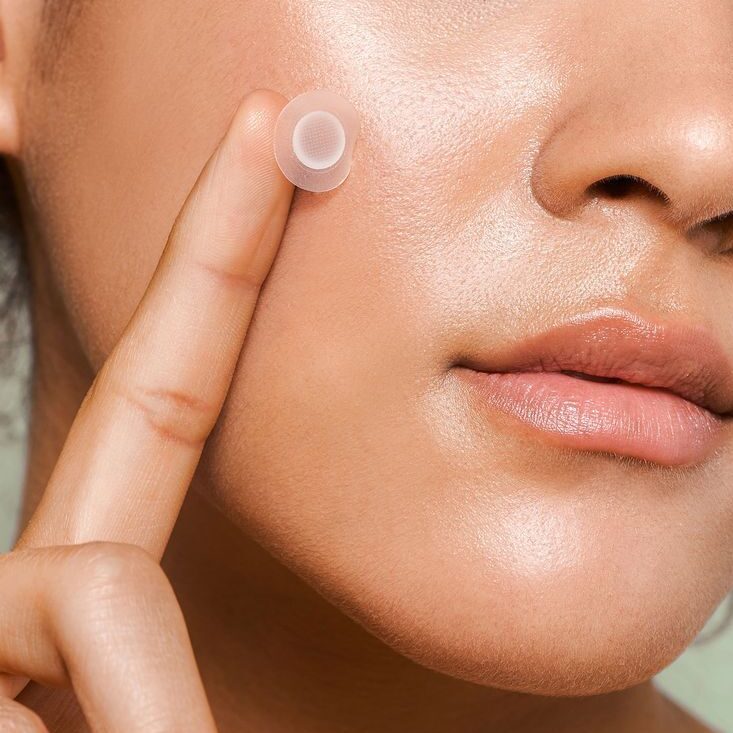
Pimple patches work through the biophysical principles of moist wound healing, utilizing a hydrophilic hydrocolloid dressing matrix to draw out exudate, pus, and sebum while forming a protective physical seal over the compromised pore. Clinical dermatology research published via the National Center for Biotechnology Information (NCBI) confirms that hydrocolloid dressings accelerate tissue re-epithelialization, reduce localized erythema, and cut healing times significantly compared to dry air exposure. While these micro-engineered stickers excel as targeted spot interventions for superficial lesions, understanding their physical absorption mechanics and active drug delivery routes is essential for managing breakouts effectively.
Table of Contents
- 1. The Core Science: How Hydrocolloid Draws Out Fluid & Heals
- 2. Engineering Types: Non-Medicated, Medicated & Microneedle Patches
- 3. Lesion Compatibility: When Do Pimple Patches Work Best?
- 4. Industrial Application Protocol for Maximum Adhesion & Drainage
- 5. Hidden Risks, Adhesive Sensitivity & Treatment Limitations
- 6. Building a Complete Acne Strategy Beyond Spot Patches
- 7. Conclusion: The Real Role of Pimple Patches in Skin Health
1. The Core Science: How Hydrocolloid Draws Out Fluid & Heals
Originally engineered in the 1970s for surgical incision management and chronic ulcers, hydrocolloid technology centers around water-attracting polymers—primarily sodium carboxymethylcellulose, pectin, and gelatin—suspended within an adhesive elastomer matrix. When placed over an open blemish, the sticker works across three direct mechanical stages:
- Capillary Osmotic Absorption: The hydrophilic dry particles within the matrix draw cellular debris, liquefied white blood cells, and lipid fluid upward through capillary force. As moisture is captured, the polymers swell into an inert, opaque white gel pocket.
- Moist Wound Environment Maintenance: By preventing atmospheric moisture evaporation, the patch prevents crust and hard scab formation, allowing epidermal cells to migrate unimpeded across the wound bed.
- Microbial Barrier Isolation: The semi-permeable polyurethane backing permits natural gas exchange while creating an impenetrable physical shield against airborne particulate matter, opportunistic bacteria, and manual skin picking.
FAQ: Why does the pimple patch turn white after a few hours?
The white spot is not skin peeling or captured sebum alone; it is the physical reaction of the hydrocolloid polymer particles absorbing fluid and turning into a hydrated gel mass directly over the drainage pore.
2. Engineering Types: Non-Medicated, Medicated & Microneedle Patches
Modern acne patches have evolved from simple physical dressings into sophisticated transdermal cosmetic delivery systems. Formulations fall into three primary technological classifications:
| Patch Type | Structural Design | Primary Active Agents | Target Breakout Stage |
|---|---|---|---|
| Non-Medicated Hydrocolloid | Pure polymer matrix laminated with thin polyurethane film | None (Physical hydrocolloid action) | Mature whiteheads, popped pustules, weeping sores |
| Medicated Topical Patch | Hydrocolloid base infused with keratolytics and soothing botanicals | Salicylic acid, tea tree oil, niacinamide, retinol | Early-stage papules, inflamed bumps without a head |
| Dissolvable Microneedling | Biodegradable micro-dart arrays designed to bypass stratum corneum | Hyaluronic acid needles loaded with peptides & oligopeptides | Deep subterranean cystic bumps, early nodules |
3. Lesion Compatibility: When Do Pimple Patches Work Best?
Because classic hydrocolloid requires a porous or broken skin barrier to establish capillary uptake, patch performance varies dramatically across different types of acne:
- Optimal (Whiteheads & Pustules): Highly effective. The blemish head provides a direct fluid channel for the sticker to absorb debris and reduce localized swelling overnight.
- High Recovery (Picked or Ruptured Lesions): Accelerates repair. If a pimple has been squeezed or opened, applying a sterile patch shields the raw dermis, reduces scab thickness, and prevents post-inflammatory hyperpigmentation.
- Moderate (Early Inflamed Papules): Effective only when using medicated patches formulated with anti-inflammatory or exfoliating agents to calm irritation.
- Ineffective (Cysts & Closed Comedones): Standard patches cannot extract fluid from deep subcutaneous nodules or closed blackheads, as the sebum plug remains trapped beneath dense, unruptured keratin layers.
FAQ: Can I use pimple patches for blackheads?
No. Blackheads consist of oxidized keratin and hardened lipids without excess fluid exudate. They require chemical exfoliants like salicylic acid (BHA) rather than absorbent hydrocolloid dressings.
4. Industrial Application Protocol for Maximum Adhesion & Drainage
To establish maximum adhesive bond strength and ensure uninterrupted capillary drainage, follow this standard clinical application protocol:
- Skin Cleansing: Wash the targeted region with a fragrance-free, water-soluble cleanser to eliminate external grime and excess surface lipids.
- Sanitize & Degrease: For ruptured or picked blemishes, gently cleanse with warm water or dab with a sterile cotton swab. Ensure no residual sebum remains.
- Ensure 100% Dry Skin: Hydrocolloid adhesives lose bonding power on wet tissue. Allow the target site to air dry thoroughly before placement.
- Apply Directly to Bare Skin: Place the patch over the blemish center before layering any serums, lotions, or heavy facial oils. Skincare emollients compromise the adhesive seal.
- Pressure Activation: Press firmly with clean fingers for 5 to 10 seconds to activate the pressure-sensitive adhesive. Leave on for 6 to 12 hours, replacing once the patch turns fully opaque.
5. Hidden Risks, Adhesive Sensitivity & Treatment Limitations
While hydrocolloid dressings offer high biocompatibility, their usage is accompanied by specific mechanical and dermatological boundaries:
| Potential Risk Factor | Manufacturing & Clinical Explanation |
|---|---|
| Adhesive Contact Dermatitis | Certain pressure-sensitive polymers or acrylic adhesives can trigger localized red ring erythema on sensitive skin profiles. |
| Occlusive Active Irritation | Sealing penetrating actives like tea tree oil or concentrated salicylic acid beneath an occlusive film can lead to chemical irritation. |
| No Prevention Mechanism | Patches address existing surface symptoms but cannot regulate underlying androgenic sebaceous production or pore keratinization. |
6. Building a Complete Acne Strategy Beyond Spot Patches
Long-term acne control requires shifting from reactive spot treatments to proactive follicular regulation. Pimple patches should be positioned as an auxiliary tool alongside comprehensive dermatological interventions:
- Topical Retinoids (Adapalene): Regulates cell turnover, reduces cellular cohesion, and clears microscopic pore plugs before blemishes form.
- Benzoyl Peroxide: Introduces oxygen into the follicle to neutralize anaerobic Cutibacterium acnes bacteria without inducing antibiotic resistance.
- Salicylic Acid Cleansers: Lipophilic BHA formulations penetrate deep into oily pores, removing trapped sebum and minimizing localized inflammatory flare-ups.
- Dietary & Systemic Adjustments: Regulating glycemic load, managing lifestyle stress, and maintaining sleep hygiene reduce systemic systemic inflammation and hormonal acne triggers.
7. Conclusion: The Real Role of Pimple Patches in Skin Health
Pimple patches represent an effective fusion of clinical wound care engineering and modern spot management. By leveraging hydrocolloid fluid absorption, physical barrier protection, and moist healing dynamics, they significantly accelerate the recovery of whiteheads and ruptured blemishes while reducing picking-induced scars.
However, patches are reactive spot interventions rather than preventive cures. To achieve lasting dermal clarity, use patches to manage acute flare-ups while building a consistent foundation of retinoids, gentle cleansers, and professional dermatological guidance.
Industry References & Data Sources: